“can be planted” search results (10000)
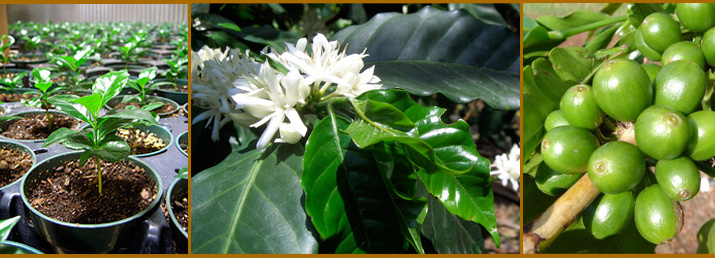
How to grow coffee? what conditions do you need to grow coffee trees? How are coffee trees planted?
What conditions do you need to grow coffee trees? Coffee is a perennial evergreen shrub or small tree of Rubiaceae. It is a horticultural perennial cash crop with the characteristics of fast growth, high yield, high value and wide market. Wild coffee trees can grow to a height of 5 to 10 meters, but coffee trees planted on the manor are often cut to a height of less than 2 meters in order to increase the amount of fruit and facilitate harvesting. Coffee
2016-03-24 How grow coffee need what conditions how
The basic knowledge of coffee tree planting
Coffee is a shallow root crop, and the plants propagated with seeds have conical roots. Root system refers to the general name of root. The root morphological distribution and depth of shade varieties / soil conditions and agricultural technical measures are different. From the point of view of varieties, the roots of small / medium grain species are shallower, while those of large grain species are deeper. Under normal circumstances, there is a thick and short taproot and many well-developed lateral roots. Yunnan small-grain coffee has a 4-year-old fruit.
2015-03-27 Coffee trunk planting basics common sense coffee shallow roots crops seeds reproduction
From the planting of coffee trees to the harvest of coffee beans, how to raise coffee trees
Coffee trees take 3-5 years from planting to fruiting. 6-10 years of coffee trees are the most likely to bear fruit, about 15-20 years, is the harvest period. Coffee trees are usually bred in nurseries and grow into saplings, and then moved to coffee farms a year later, in full compliance with the way the Arabs planted and cultivated coffee trees. Coffee trees will continue to take root downward and upward in the first four or five years of their growth.
2015-11-05 Coffee planting coffee beans harvest how coffee fruit 3-5 year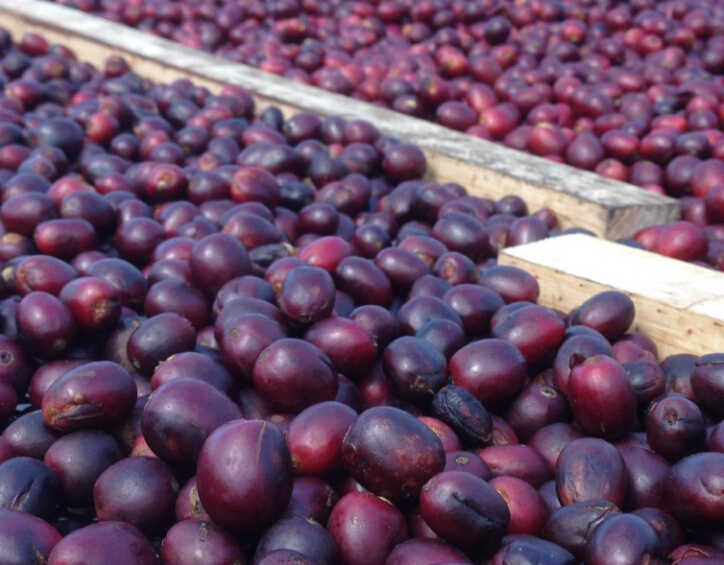
Where can I buy coffee beans on the Royal Coffee Network of the St. Roman processing Plant in Costa Rica? Where are the coffee beans going?
1. When buying beans online, you should pay attention to the production date, shelf life, packaging and sealing, the roasting degree of coffee beans, the types of coffee beans, and your utensils to determine what kind of beans you want. If you use blue mountain beans to make ESP, it is indeed a maverick way, but it is also too unprofessional and expensive, and the taste is not very good. The production date must be at least
2016-04-23 Costa Rica Roman processing plant royal coffee online how can I buy coffee?
The planting environment of coffee trees the conditions for planting coffee trees
Coffee has entered thousands of households, and it is no longer what people called a foreign thing many years ago. So many friends in the planting industry also want to plant coffee trees to catch up with the ocean current. Next, I will introduce to you a little knowledge about the growing environment of coffee. 1. Coffee belt: coffee can not be grown in any environment, because it was originally grown in a tropical rain forest.
2015-03-13 Coffee planting environment conditions coffee has entered thousands of households already no
Yemeni coffee "full of game" common sense of coffee bean culture
Because the steep slopes, valleys and depressions that can be planted in the mountains are very narrow, coffee farmers adopt distributed cultivation and plant a few plants whenever there is a suitable place, regardless of wild forests, cliffs or barren valleys. Experts pointed out that the diversity of the planting environment and the diversity of microclimate have created the ever-changing aroma and acid of Yemeni coffee. Some people laugh that the same sack of Yemeni coffee
2015-10-22 Yemen coffee game coffee beans culture common sense because mountains available
The Green Dream of Coffee in Yunnan Coffee planting Environment in Yunnan
Abstract: introduction: outshining others is not spring. In order to make great progress in Yunnan coffee industry, intensive processing is the only way, and in the face of competition from international coffee giants, Yunnan coffee needs the effect of industrial clusters more. And this will be the situation that zhengfu likes to hear and see. In 2012, Yunnan coffee output is expected to be 60,000 tons, accounting for 98% of the national coffee output, accounting for the world.
2016-05-05 Yunnan Coffee Green Dream Coffee Bean planting Environment Abstract Guide one
How much do you know about the growing conditions and distribution of coffee
Coffee planting conditions and distribution 1. What is coffee? Coffee (Coffee) is derived from the Latin word Coffea (biological word name) and belongs to a member of the Rubiaceae family. These plants are all woody plants, most of which are distributed in the tropics, with more than 500 classifications and about 6000 varieties. Most of the Coffea plants are tropical evergreen bushes 5-6 meters high.
2014-07-30 Coffee planting coffee growing conditions coffee beans
The method of planting coffee trees the origin of coffee trees is in Ethiopia, Africa.
The output and quality of coffee depend to a large extent on whether the planting of coffee trees is reasonable and whether the growth of coffee trees is luxuriant, so how to plant coffee trees and under what environment is suitable for growth? let's learn together today. The origin of the coffee tree is Ethiopia in Africa. Botanically, coffee trees belong to the subgenus Rubiaceae.
2015-10-22 Coffee planting method Origin Africa Ethiopia output good or bad
"full of Game" Yemeni Coffee China Coffee Network China Coffee Trading Network
Because the steep slopes, valleys and depressions that can be planted in the mountains are very narrow, coffee farmers adopt distributed cultivation and plant a few plants whenever there is a suitable place, regardless of wild forests, cliffs or barren valleys. Experts pointed out that the diversity of the planting environment and the diversity of microclimate have created the ever-changing aroma and acid of Yemeni coffee. Some people laugh that the same sack of Yemeni coffee
2016-04-20 Full of game Yemen coffee China trading network due to mountain available grown
About coffee companions and cream.
The end of planting fat can improve the internal tissue of food, increase aroma and fat, make the taste delicate, lubricated and thick, so it is a good companion of coffee products, which can be used in instant cereal, cake, biscuit, etc., to make the cake delicate and elastic; biscuits can improve crispness, not easy to remove oil. The final fast solubility of plant fat is good, and its flavor is similar to milk through flavor, which can be replaced in food processing.
2014-08-19 Coffee knowledge coffee companion coffee sugar coffee encyclopedia
How much is the coffee bean? the price of a jin of coffee and raw beans is Yega Ficher kochere.
Coffee seeds cannot be grown directly with coffee fruits picked from coffee trees. Peeling coffee fruits is like planting peanuts. If you plant a peanut with a shell in the soil, it cannot sprout. You must plant peanuts. It is the same with medium coffee. If you have coffee fruit in your hand, you can first bask it in the sun and shake it until it is shaken inside.
2016-04-15 Coffee beans less money one jin coffee raw beans price Yega Shefico Cher k
Establishment of Coffee quality Inspection system in Yunnan
On March 26, in Yunnan Province, the largest coffee producing area in China, local coffee companies are registering coffee bases in an attempt to establish a quality traceability system. Scan the bar code to find out the planting area, altitude, grower, primary processing plant of each cup of coffee. It is understood that this is also an important measure for Yunnan to promote the fine cultivation of coffee and create boutique coffee. Located in the west of China
2015-09-02 Establish Yunnan coffee quality inspection system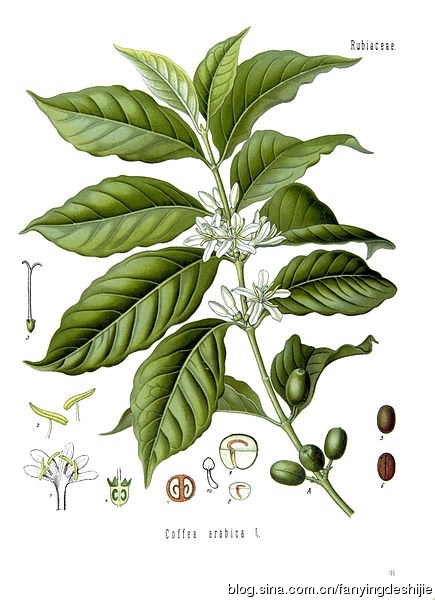
Coffee flower coffee bean planting coffee flower coffee green fruit coffee red fruit
Coffee flowers can be enjoyed at the beginning of the second or third year of coffee planting. if there are no special circumstances, they will blossom and bear fruit naturally, so it is easy to think that coffee trees will be harvested after 2-3 years. Coffee flowers are white, born in the axils of the leaves, where the leaves meet the branches, usually appear in clusters, each flower will have 5-6 petals, slender micro-roll, look at the picture is very
2016-04-06 Coffee coffee beans planting green fruit red fruit coffee second year third year year
The standard of SCAA pecialty Coffee boutique coffee raw beans is necessary for a good cup of coffee.
The raw bean defects of SCAA can be divided into two types: I and II. The requirement for premium coffee grade (specialty coffee) is: 1. There are no class I defects; 2. No more than 5 II class defects 3. There can be no "quaker" (0 quaker) Quick beans in cooked coffee beans. 4. The color range of raw coffee beans is pale yellow (light yellow), yellow-green (
2015-12-05 SCAA pecialty Coffee boutique coffee raw beans
Introduction to the Development History of cultivation and planting techniques for Coffee seedlings
Coffee planting technology introduces the origin of coffee trees in Ethiopia in Africa. In botany, coffee trees belong to the evergreen trees of the subgenus Rubiaceae, and coffee beans, commonly known as coffee beans, are the seeds of the fruit of coffee trees, just because they are shaped like beans, so they are called coffee beans. Climate is the decisive factor for coffee cultivation, and coffee trees are only suitable for growing in the tropics or subtropics.
2016-10-19 Coffee saplings how cultivation planting technology development history introduction coffee
The basic altitude of coffee planting technology is the most suitable for planting.
Coffee planting technology the origin of coffee trees is in Ethiopia, Africa. In botany, coffee trees belong to the evergreen trees of the subgenus Rubiaceae, and coffee beans, commonly known as coffee beans, are the seeds of the fruit of coffee trees, just because they are shaped like beans, so they are called coffee beans. Climate is the decisive factor for coffee cultivation. Coffee trees are only suitable for growing in the tropics or subtropics.
2016-10-19 Coffee planting technology basic altitude how much suitable coffee
Cultivation of Coffee Tree Seedling how to raise Coffee Tree
Tree name: coffee family: the morphological characteristics of evergreen trees of the subgenus Rubiaceae Coffee is a perennial evergreen shrub or small tree of Rubiaceae. It is a horticultural perennial cash crop with the characteristics of fast growth, high yield, high value and wide market. Wild coffee trees can grow up to 5 to 10 meters tall, but coffee trees planted on the manor, in order to increase fruit and facilitate harvesting
2015-11-05 Coffee seedlings planting cultivation how Arbor name Family and Genus Grass
About the health of coffee companions, cream and vegetable fat coffee
The end of planting fat can improve the internal tissue of food, increase aroma and fat, make the taste delicate, lubricated and thick, so it is a good companion of coffee products, which can be used in instant cereal, cake, biscuit, etc., to make the cake delicate and elastic; biscuits can improve crispness, not easy to remove oil. The final fast solubility of plant fat is good, and its flavor is similar to milk through flavor, which can be replaced in food processing.
2015-10-28 About coffee partner cream vegetable fat health
Introduction to the planting environment of Ethiopian coffee
Due to different planting methods, coffee can be divided into three types: forest-semi-forest coffee (Forest or semi-forest coffee), courtyard coffee (Garden coffee) and plantation coffee (Plantation coffee). 60% of the coffee belongs to forest-semi-forest coffee. In such a wild coffee forest, pesticides are not used at all, but biological methods are used to control pests. 35%
2016-06-15 Ethiopia coffee planting environment introduction due to different ways